
THE OKOBOJI PROJECT

The Okoboji Project is an experiment in community-driven storytelling. Hosted by Ryan Maris, we set out to create an immersive, narrative show to bridge the region's everyday voices, tangled local past, and broader currents of American history.

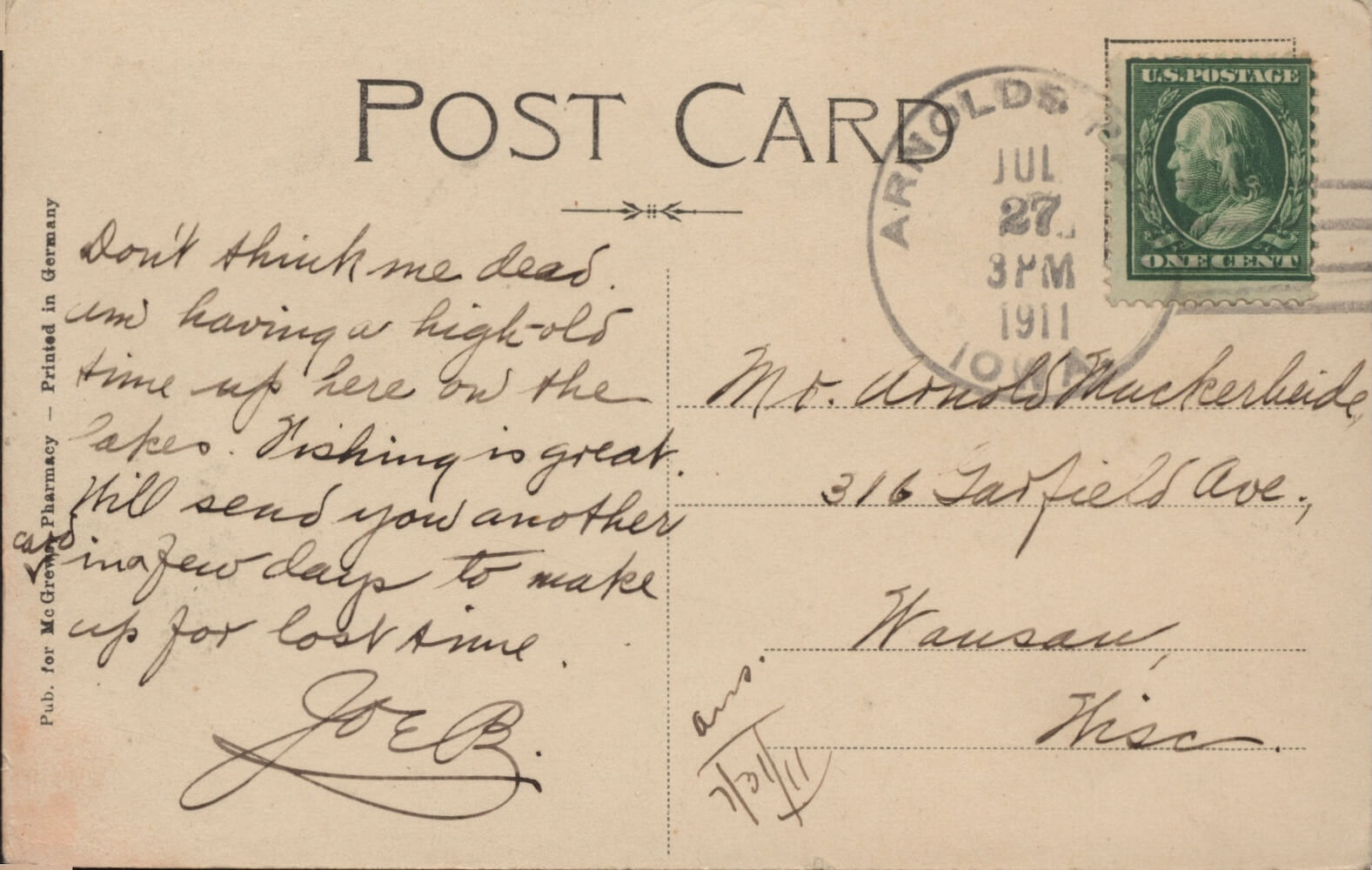
We built our audience from the ground up: handing out postcards and posters, building a website for easy streaming and bonus content, and encouraging listeners to share with their friends and family. We also partner with local businesses whose histories intersect with the show, giving us independent funding while deepening community ties.

Our community-first approach worked. In 2024, The Okoboji Project ranked in the top 10% of U.S. podcasts, reached listeners in all 50 states, and demonstrated that thoughtful, locally-grounded storytelling resonates as widely as big-outlet productions.
listen here
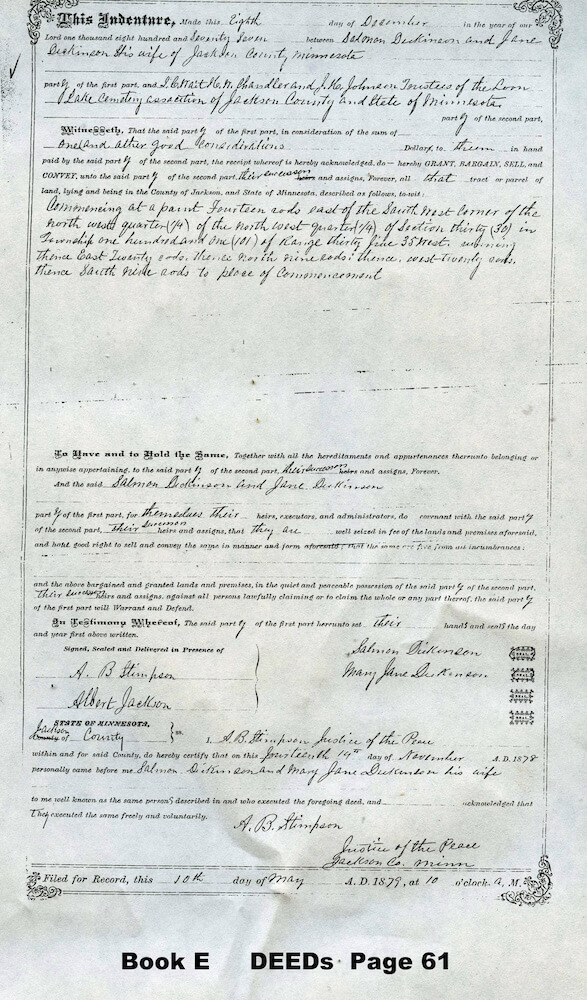
[49] County Records
[57] Field Interviews
[17] Family Collections
[53] Period-Accurate Sounds
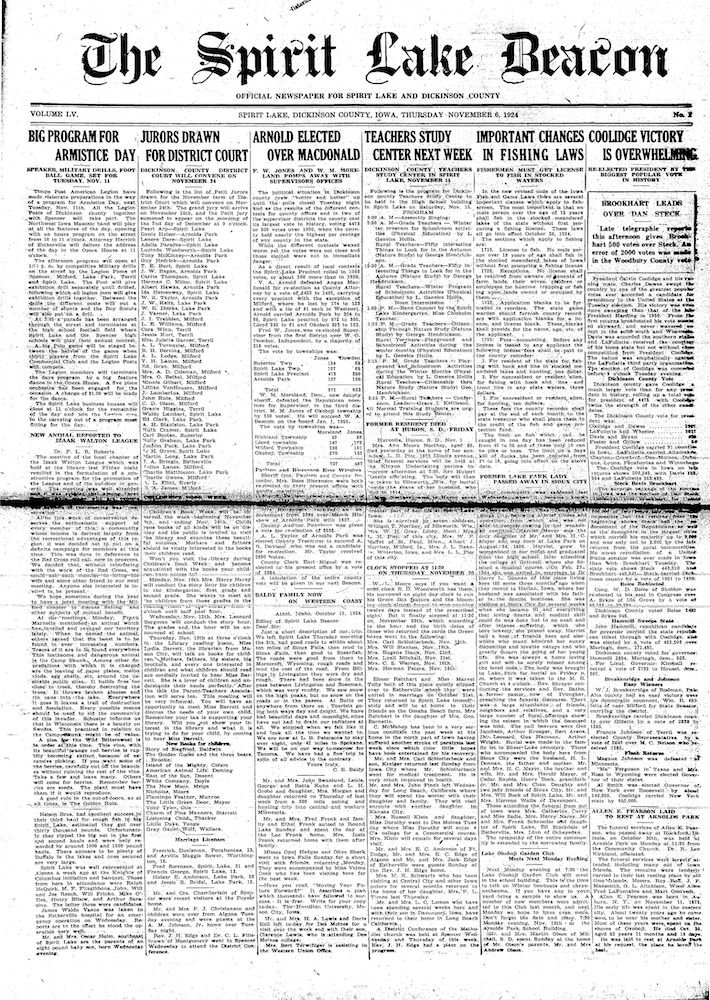
[32] Newspaper Archives
THE PROCESS

Each episode takes a microhistorical approach, tracing how individual lives illuminate larger patterns in American history. I begin with a deep archival dive—newspaper collections, census records, diaries, and scrapbooks—before opening into conversations with historians and scientists, locals and descendants. Over the first two season, I’ve conducted more than 100 hours of interviews with people around the world.

From these sources, I write scripts that weave together narration, interview tape, and actors reading primary sources.

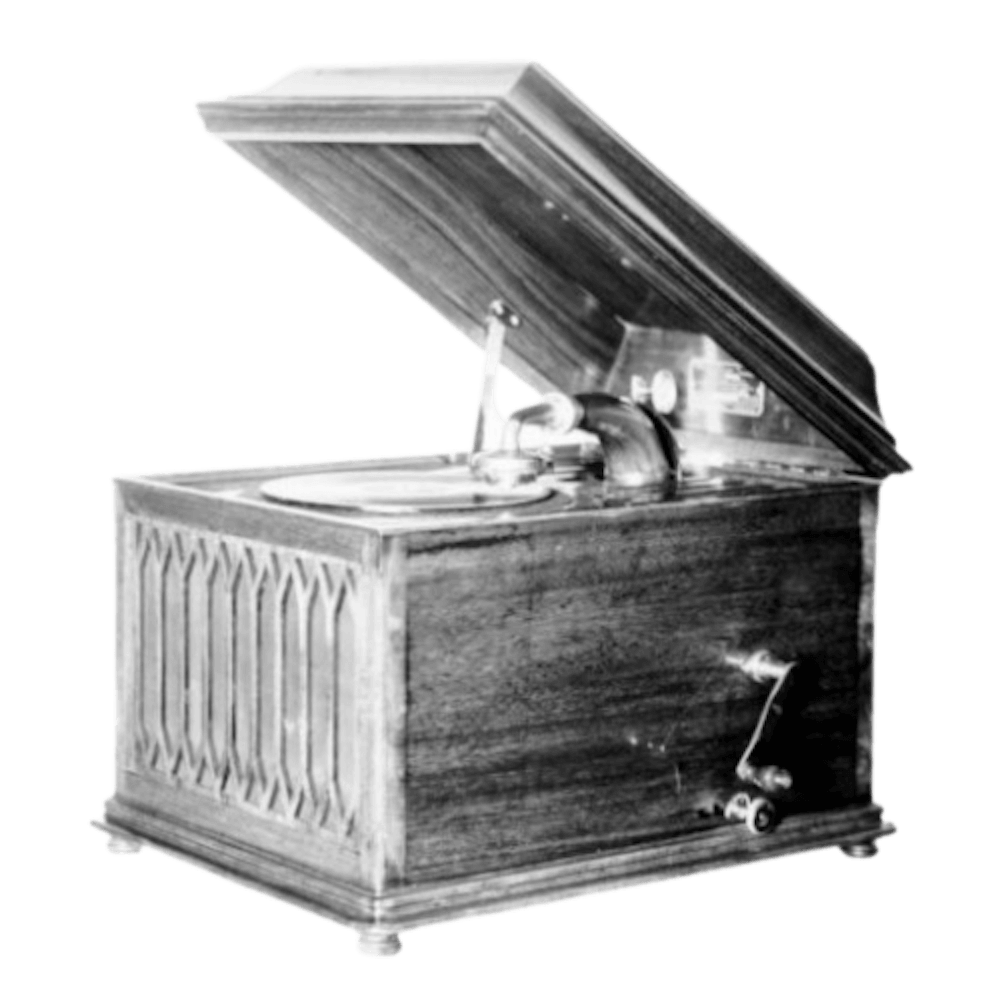
In the editing suite, I layer those voices with immersive soundscapes. Field recordings, period-accurate sound effects, and carefully chosen music evoke the textures of time and place. Sometimes the story slows to let silence or ambient sound take the lead.

Its growth has been astonishing. But beyond the numbers, it reminded me of a lesson I’ve learned over and over: the most meaningful art comes from being attentive to everyday lives and stewarding their stories.


EPISODE BREAKDOWN
The Loon Lake Cemetery
listen here
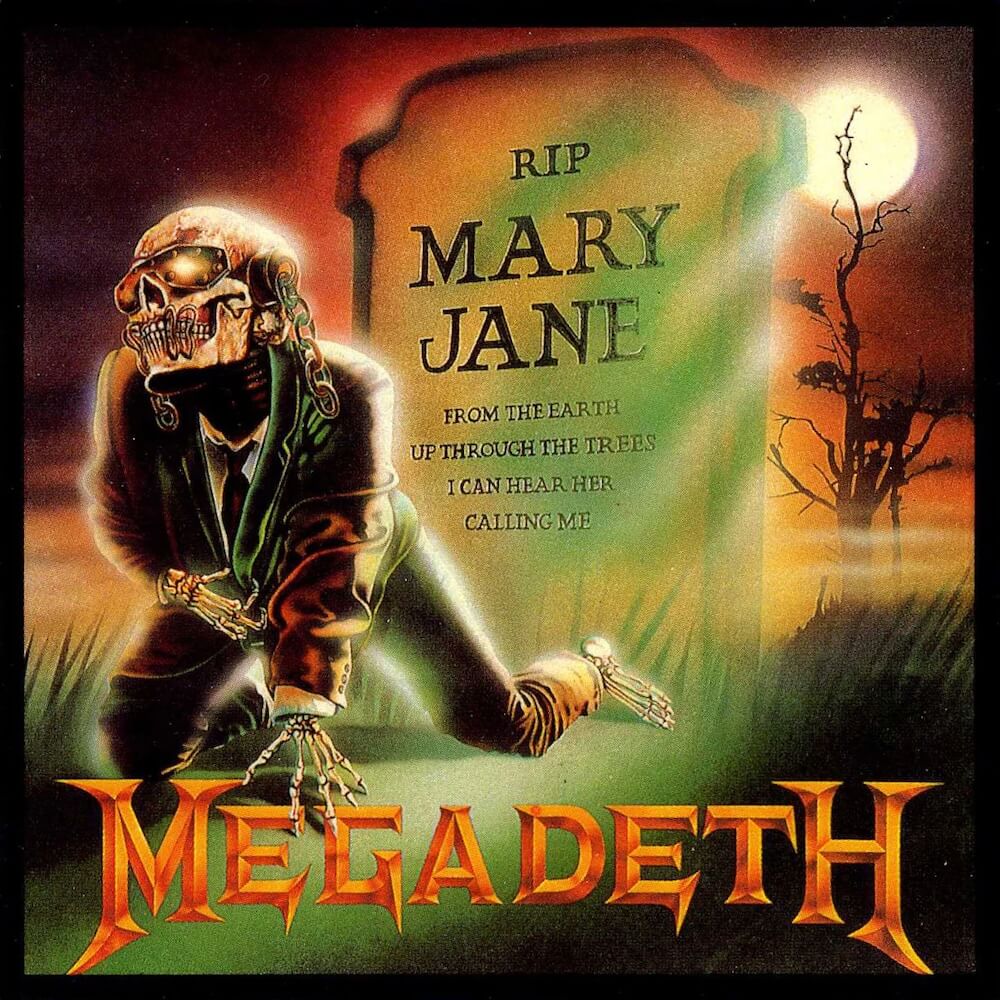
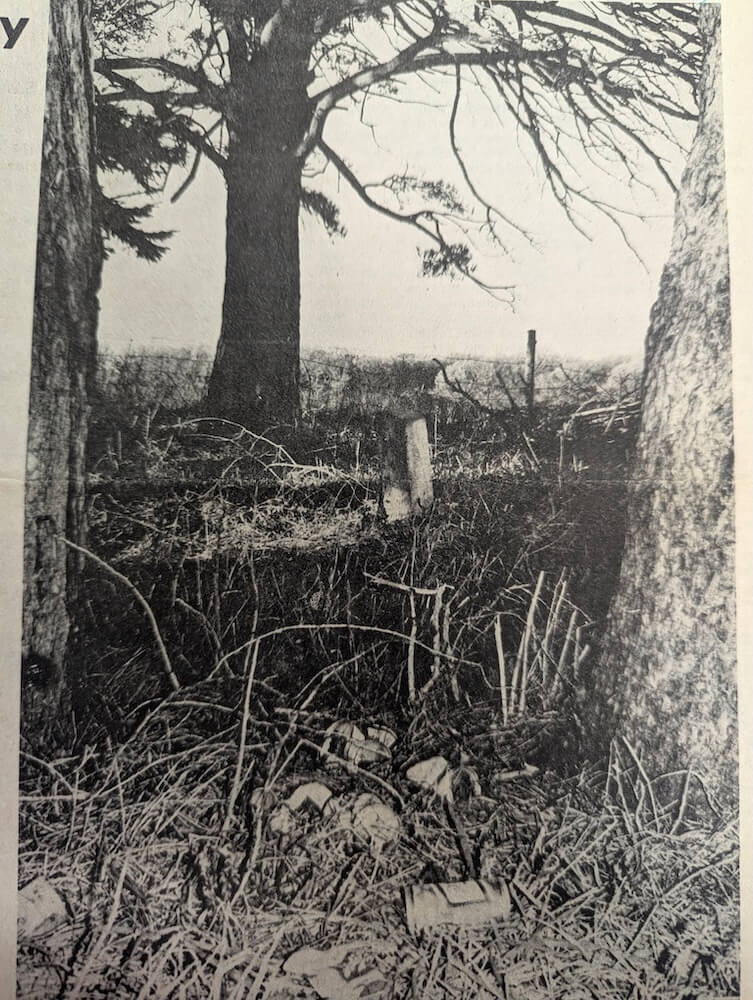
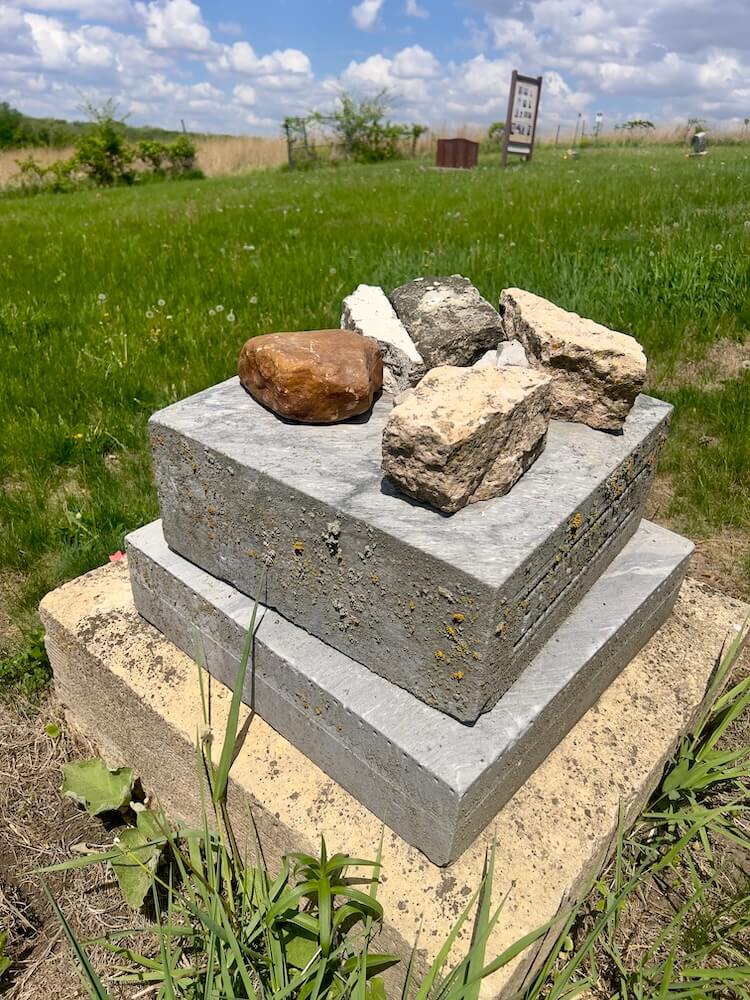
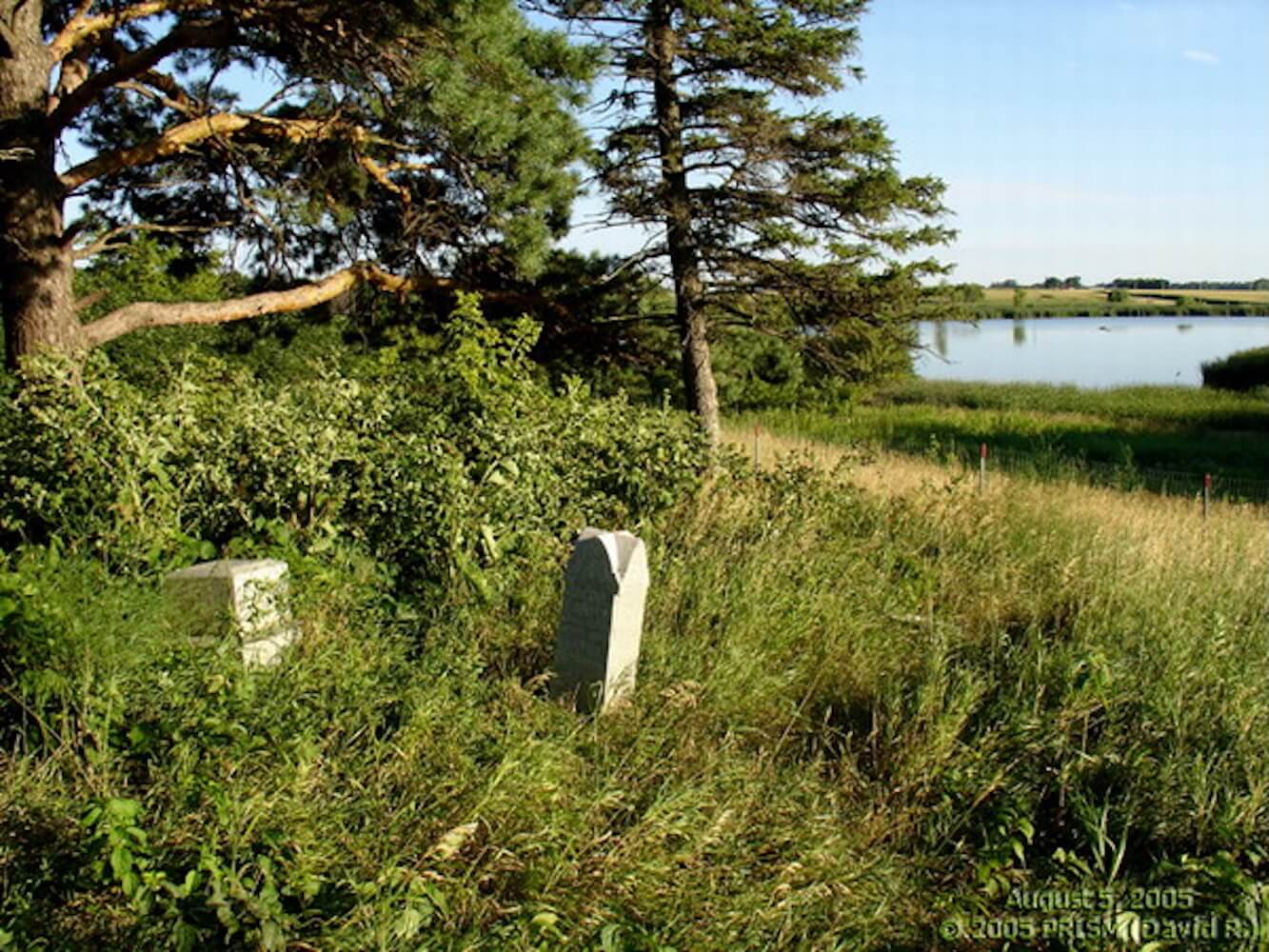
The legend of the Loon Lake Cemetery begins with a hanging. A young witch in rural Jackson County, Minnesota, was executed by her neighbors. With her last breath, she promised revenge. The cemetery they buried her in was abandoned. But today, her grave is still said to hold a curse: cross it three times, and you have three days left to live.

The story isn’t true. But it has persisted in the Iowa Great Lakes and beyond.

To untangle this myth, I dug into plot maps, paranormal blogs, and archive photos from the Jackson County Historical Society. I  paired them with conversations with volunteers and local historians.

The episode traces the site’s long history, from the Indigenous burial traditions in this area, the settler cemetery that followed, and the runaway myth of The Witch’s Grave. In writing and editing, I carefully layered voices from historians and actors, field recordings, and slow-building music to bring this far-cast legend to life.

The episode culminates in a bigger question about memory and community: What do the myths we tell about abandoned places say about us?
The Life of the Lakes
listen here
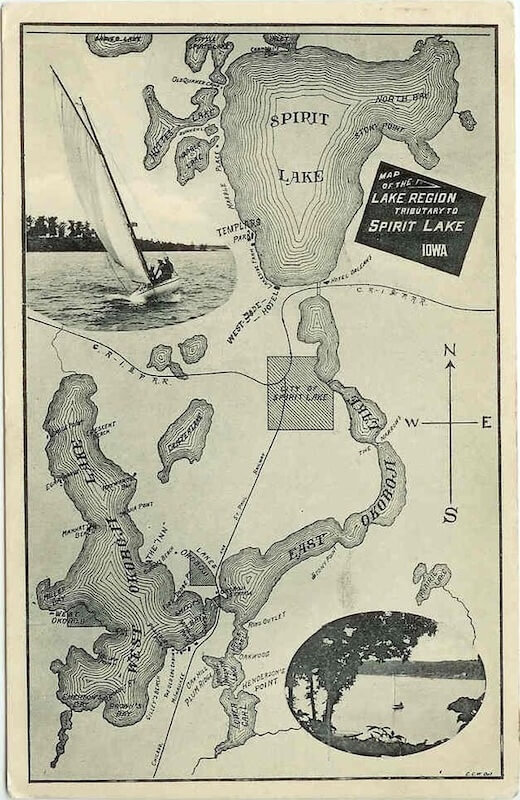
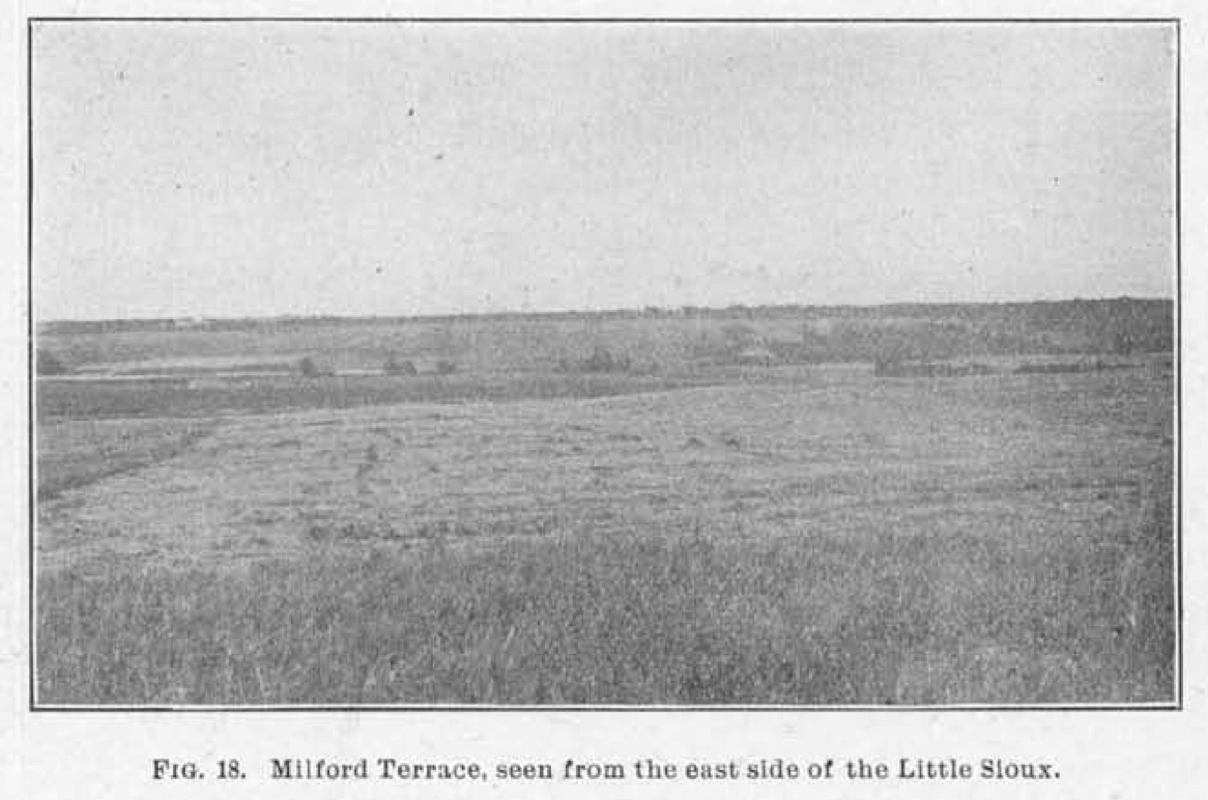
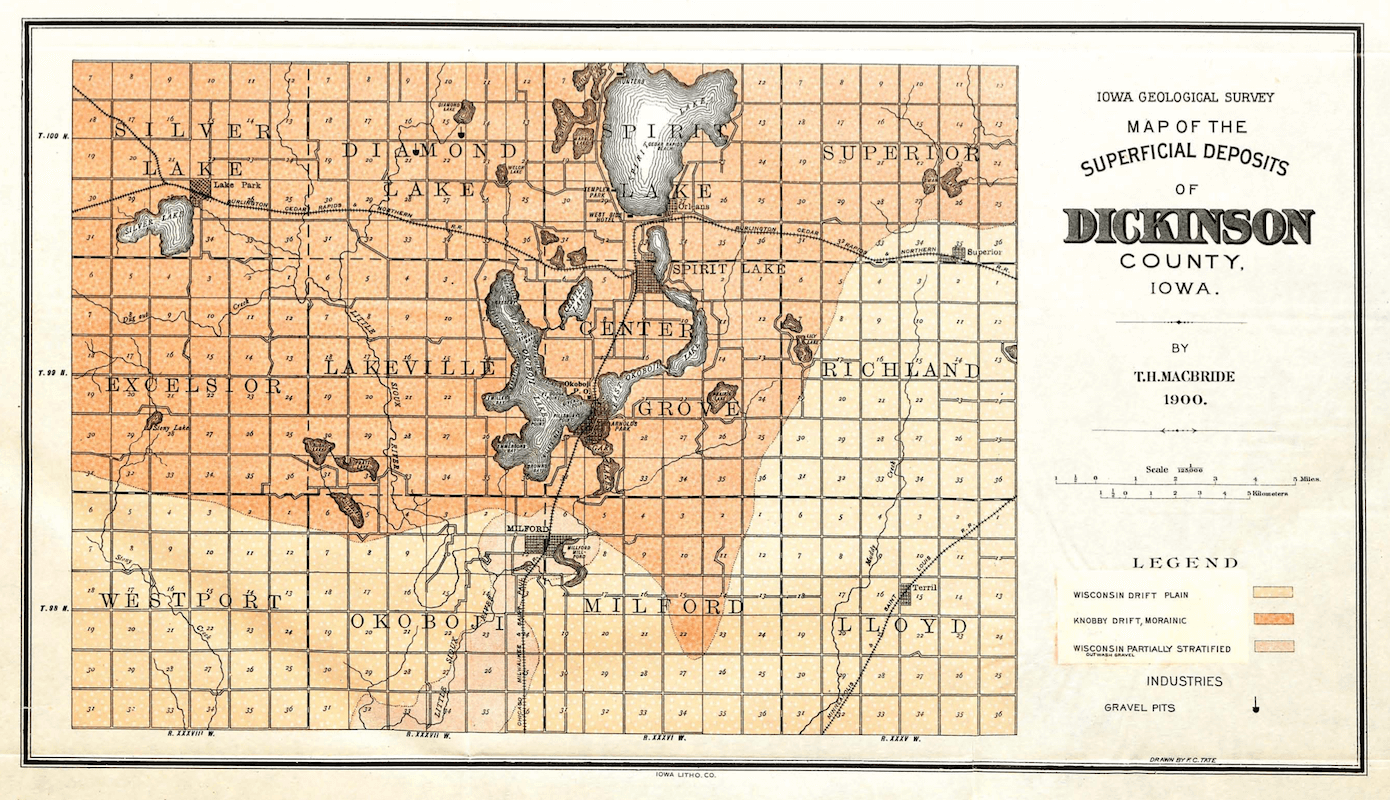
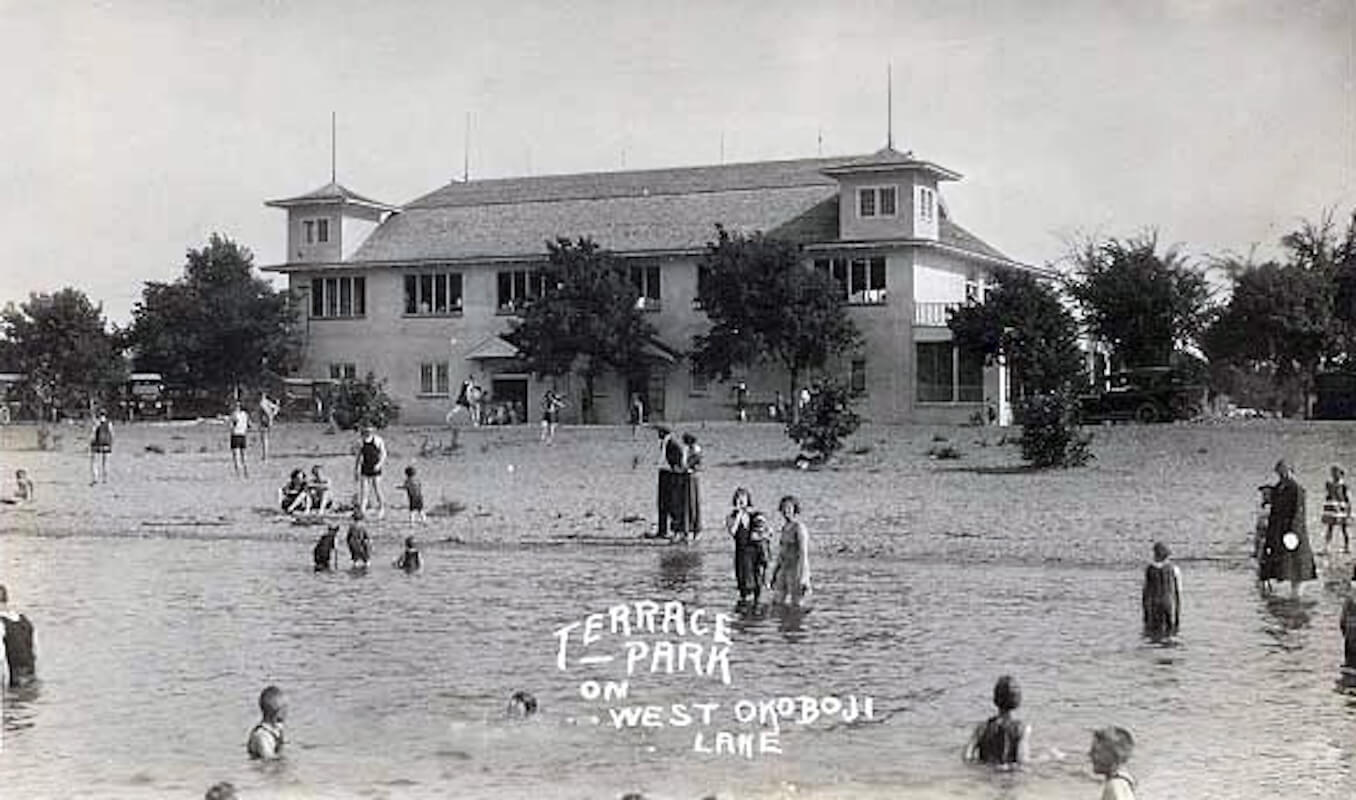
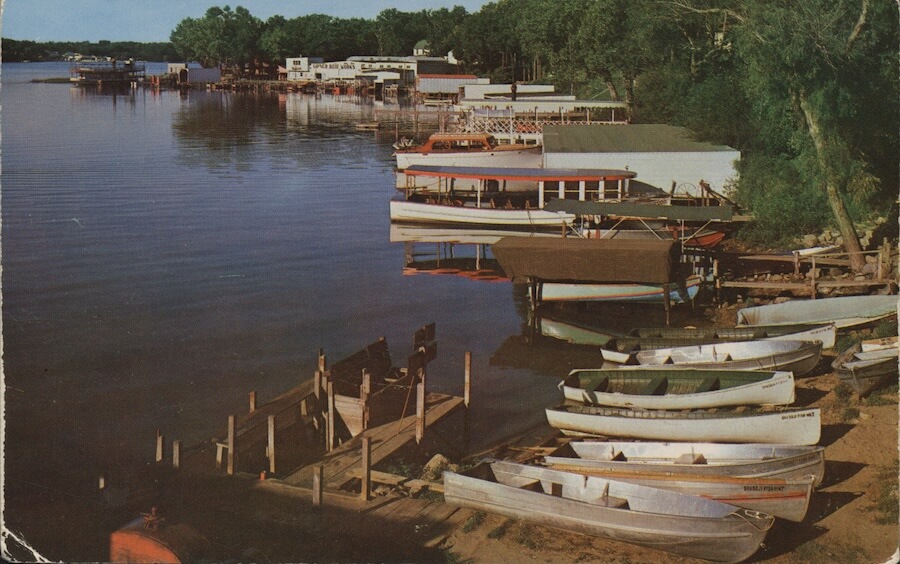
Long before the resorts and tourists, vast ice sheets carved the contours of the Iowa Great Lakes.

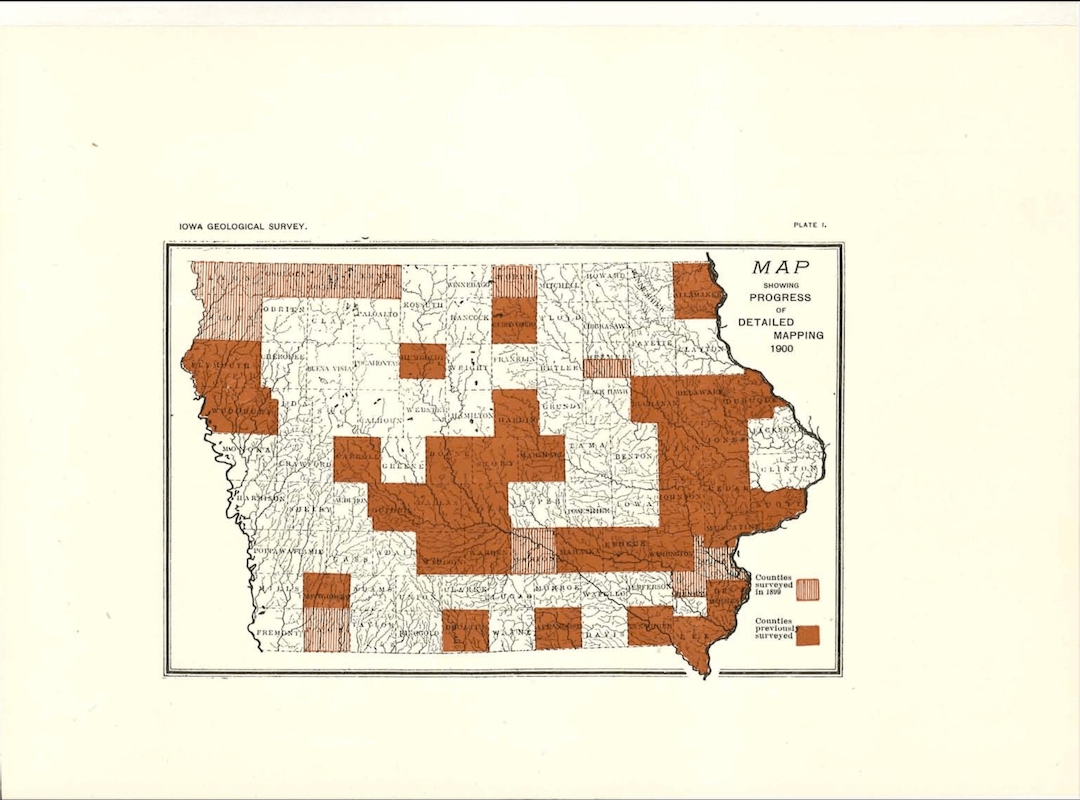
To uncover that deep history, I spoke with Keith Schilling, Iowa’s State Geologist and Director of the Iowa Geological Survey, along with IGS scientists Phillip Kerr and Thomas Doyle. Together, we traced why the lakes formed, how their water systems have changed, and what questions scientists are still asking to understand and protect this landscape.

I wanted the episode to take the listener back thousands of years. The music and SFX notes on the script say things like:

"Big bang explosion, then glittery, ‘universe’ music begins..."

"Fade out waves, like they’re retreating."

"What does hydroponic mining sound like? Rumbling? Steam? Maybe it sounds like a tea pot?”
A Night Out in 1926
listen here
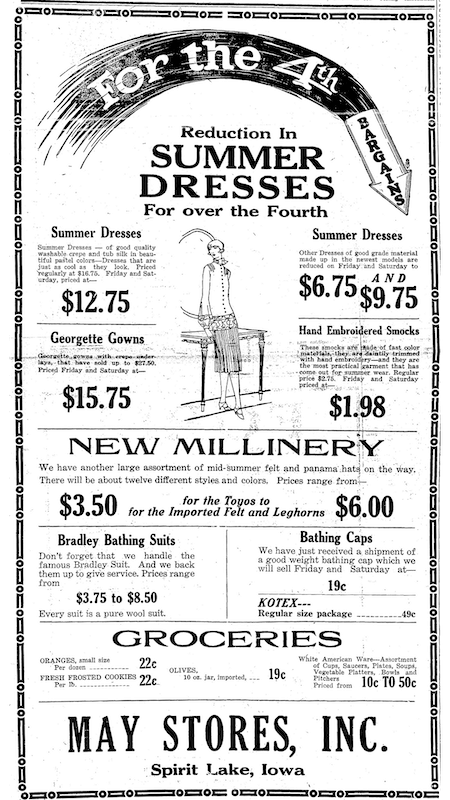
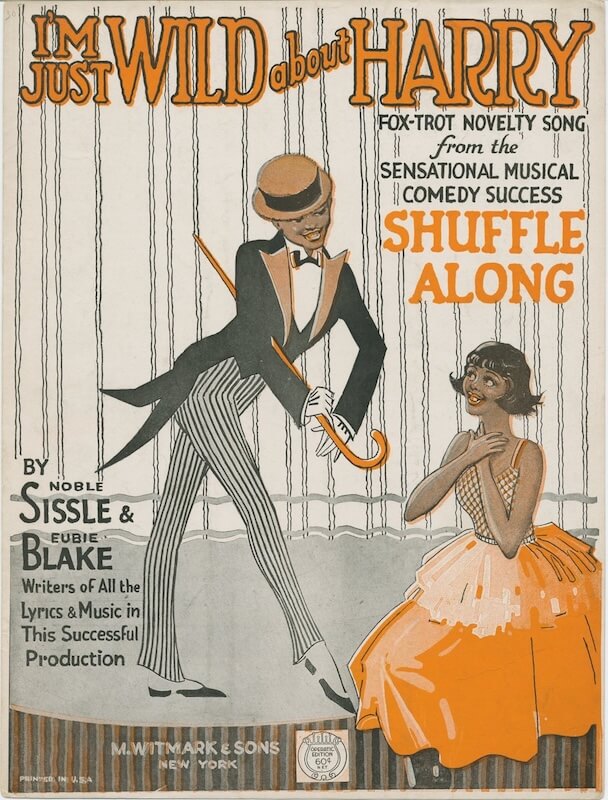
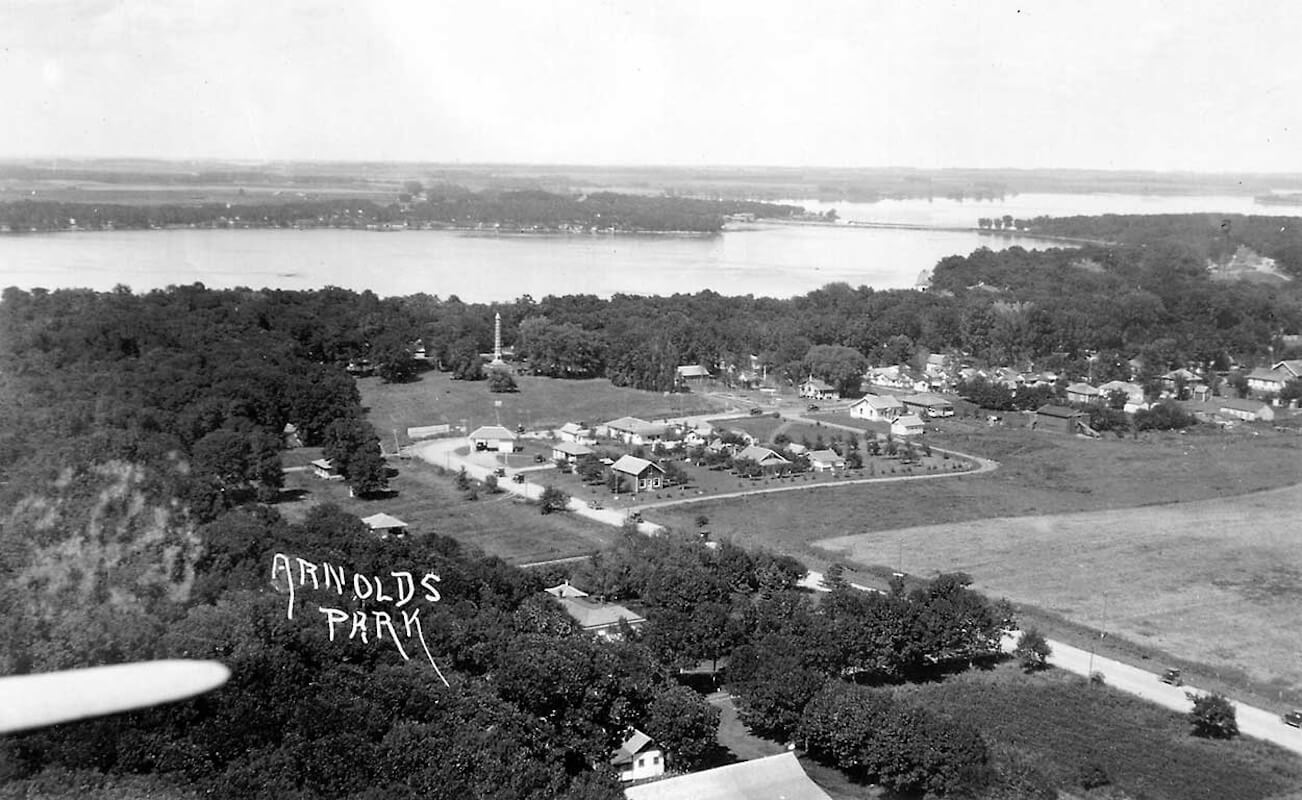
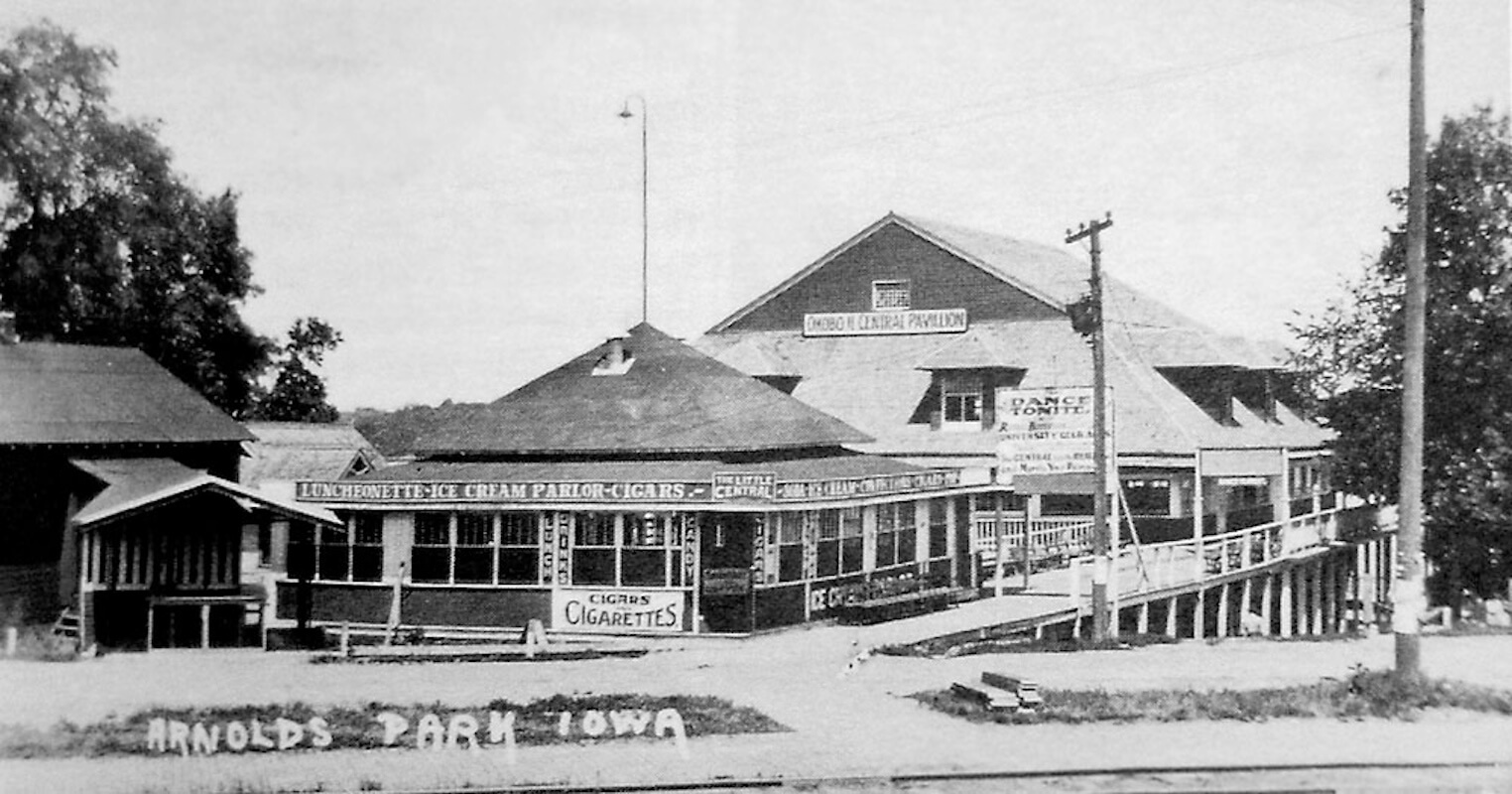
This episode steps into a single summer evening nearly a century ago, when trains pulled into Arnolds Park and the dance halls filled with music.

To recreate it, I drew on photographs, fashion plates, and music recorded before July 1926, letting the night unfold beat by beat.

The story follows how people traveled, where they gathered, and what it felt like to join in the swirl of Prohibition-era leisure at the lakes. As the soundscape layers train whistles, chatter, and jazz, the episode explores how one ordinary night can illuminate the character of this era.
The University of Okoboji
listen here
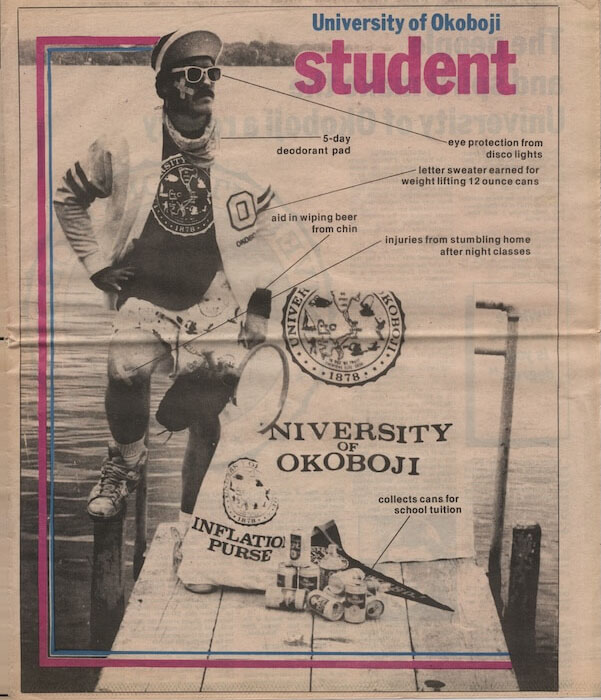
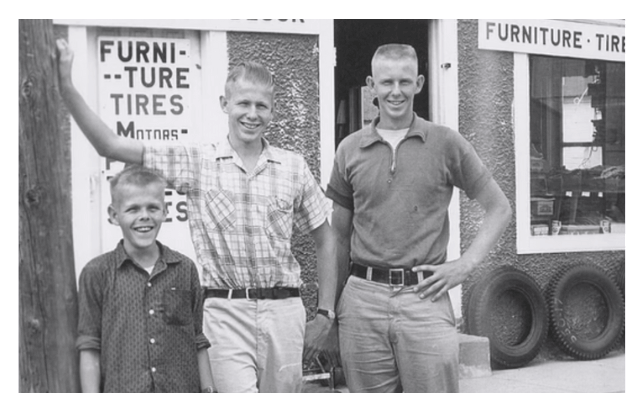
The University of Okoboji started in the 1970s as a running joke among two brothers and their softball teammates: a fictional school with a crest, yearbooks, and homecoming traditions. But when a string of tragedies shook the community, The University of Okoboji became a banner for fundraising and communal care.

In the years since, it has evolved into a community touchstone: a playful yet enduring institution that still unites the University’s “alumni.”

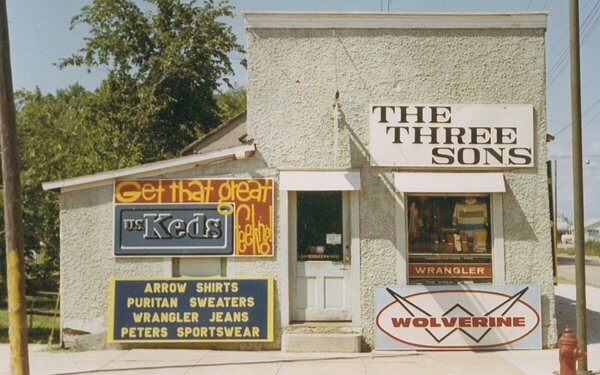
For this episode, we set up a field studio at The Three Sons, the campus center of the University of Okoboji, to trace the intertwined stories of the store, the University itself, and what both have come to mean to the people who call Okoboji home.